
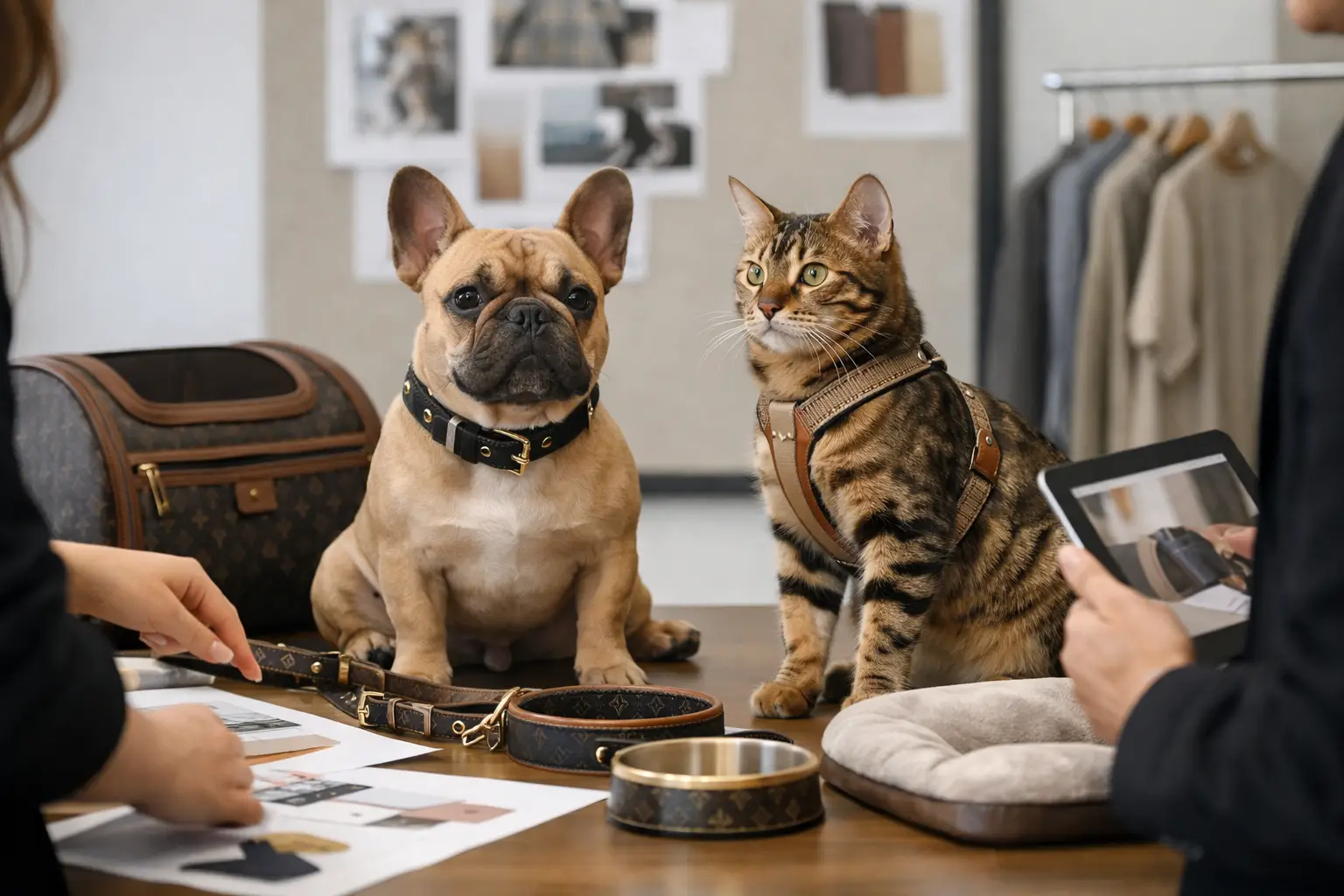
A well-executed designer pet collaboration does more than put a logo on a leash or a pattern on a carrier. It signals taste. It tells you whether a brand understands modern dog ownership as part of a larger lifestyle - one shaped by design, quality, and the expectation that every detail should feel considered.
For luxury-minded dog owners, that distinction matters. The pet space has matured quickly, but not every collaboration deserves attention. Some are novelty plays. Some feel forced. The best ones create something rarer: a product or collection that respects both form and function, while giving dogs a place in the same visual world their owners already inhabit.
What a designer pet collaboration should actually deliver
At its best, a designer pet collaboration is not an afterthought. It is a meeting of two identities with a clear point of view. One side brings aesthetic authority. The other brings category expertise. If either side is weak, the result usually looks decorative rather than refined.
That is why the strongest collaborations feel coherent from the first glance. Materials make sense. Proportions are considered. Hardware feels substantial. Colors sit comfortably within a broader fashion or interiors language rather than shouting for attention. Even the packaging tends to reflect a complete experience instead of a quick licensing exercise.
This is especially relevant in the dog category, where utility is non-negotiable. A collar cannot only be beautiful. It needs to wear well, hold securely, and feel comfortable on the dog. A carrier has to move through real life with ease, from city sidewalks to weekend travel. A coat should photograph beautifully, yes, but it also needs clean construction and a fit that respects movement.
Luxury buyers notice these details immediately. They are not buying pet products in isolation. They are editing a lifestyle. The dog bed sits in a carefully designed living room. The leash is part of a morning routine that may include tailored outerwear, a favorite coffee stop, and a walk through a neighborhood where style is seen and read. In that setting, inconsistency stands out.
Why designer pet collaboration matters now
The rise of the designer pet collaboration reflects a broader shift in how people live with dogs. For many households, a dog is not adjacent to the home or family identity. The dog is within it. That changes what owners expect from the brands they choose.
In the past, premium pet products were often defined by price alone. Now the standard is higher. Design credibility matters. So does sustainability, material quality, and the ability to blend innovation with elegance. A luxury pet item is no longer impressive simply because it is expensive. It needs to feel intelligent.
This is where collaboration becomes powerful. It allows pet brands to move beyond category conventions and borrow from fashion, industrial design, hospitality, and wellness. The result can be more elevated and more culturally relevant than what either brand might create alone.
There is also an experiential layer. A compelling collaboration gives owners something to participate in, not just purchase. It can shape a launch moment, an event, a seasonal story, or a limited-edition release that feels editorial rather than transactional. For customers who already gravitate toward curated fashion drops and distinctive design objects, that matters.
The difference between novelty and true luxury
Not every collaboration earns the word designer. Some use the language of exclusivity while delivering very little substance. The fastest way to tell the difference is to look at where the design effort actually went.
If the product relies almost entirely on branding, it will feel dated quickly. If the collaboration begins with construction, silhouette, tactile quality, and a clear use case, it has a stronger chance of lasting. Real luxury is rarely loud. It is disciplined.
A thoughtful pet fashion collaboration, for example, should consider the dog's body first. Clean lines matter more than costume-like excess. Fabrics should hold structure without stiffness. Closures should be discreet and easy to use. The piece should feel like an extension of a fashion sensibility, not a parody of one.
The same standard applies to accessories. A leash can carry a designer signature without sacrificing grip or balance. A bowl can feel sculptural without becoming impractical. A grooming or wellness item can look beautiful on display while still performing at a high level. When the object works in daily life, the collaboration earns repeat use instead of becoming a photo prop.
What affluent dog owners should look for
For owners with exacting standards, the right collaboration is usually defined by restraint. You are looking for products that hold attention because they are well made, not because they are trying too hard.
Start with materials. Premium leather, durable coated fabrics, precise stitching, polished hardware, and thoughtfully selected textiles all suggest seriousness. Then look at finish. Are edges clean? Does the color palette feel deliberate? Is the logo placement subtle enough to support the design rather than dominate it?
Function should come next. A beautiful harness that is difficult to adjust will not stay in rotation. A luxurious travel piece that feels cumbersome will lose appeal after one use. The best designer pet collaboration creates ease. It supports the rhythm of a refined life instead of interrupting it.
Exclusivity also deserves a closer look. Limited edition does not automatically mean desirable. Sometimes scarcity is genuine, tied to craftsmanship, specialized materials, or a small production run. Sometimes it is marketing language. Discerning shoppers can usually feel the difference.
This is where editorial clarity matters. Brands with a strong point of view do not need to overexplain their value. They show it through proportion, finish, imagery, and consistency across the collection. For an audience that already shops fashion and home with intention, that visual confidence is persuasive.
Where designer pet collaboration works best
Some categories are especially suited to collaboration because they sit at the intersection of utility and identity. Fashion is the obvious one. Dog outerwear, elevated denim, occasion pieces, and refined essentials all benefit from a designer lens when the fit and fabrication are right.
Travel is another natural fit. Carriers, blankets, and portable accessories become more compelling when they align with the standards owners already apply to luggage and personal accessories. The same is true of home. Beds, feeding stations, and storage pieces now live in open, design-conscious spaces. They should contribute to the room, not apologize for being there.
Technology is an interesting frontier. Smart pet products have often leaned clinical or overly gadget-driven in appearance. A more sophisticated collaboration can soften that. It can turn a functional object into something visually calm, intuitive, and appropriate for a well-designed home or premium environment.
That balance of innovation and elegance is increasingly attractive in the US market, especially in cities where style and convenience carry equal weight. For brands such as Doggo Paradiso, the opportunity is not simply to make pet products prettier. It is to create five-star experiences around the dog owner’s real life - from wardrobe to wellness to smart care.
The trade-offs brands need to get right
Even the strongest collaborations involve tension. That is part of what makes them interesting. A fashion-forward concept may need to be simplified for comfort. A luxurious material may need reinforcement to handle daily wear. A highly recognizable visual signature may need to be toned down so the product feels timeless rather than seasonal.
These are not flaws. They are design decisions. The problem starts when a brand ignores them in pursuit of a headline. Consumers at the premium end are especially sensitive to this. They can forgive restraint. They rarely forgive compromise disguised as luxury.
Price is another consideration, though not in the usual way. High-end customers will pay for excellence. What they resist is misalignment. If a collaboration commands a premium, the object should feel distinct in hand, in use, and in longevity. It should offer more than branding theater.
That is why the most successful collaborations tend to be selective rather than sprawling. A tightly edited collection often feels more luxurious than a broad one. It suggests confidence. It leaves room for the customer to appreciate each piece.
What the future of designer pet collaboration looks like
The next phase will likely be more integrated and more sophisticated. Expect fewer superficial pairings and more collaborations built around complete lifestyle categories - fashion, home, travel, wellness, and smart experiences designed with the same visual language.
There is also room for more regional and cultural influence. European design codes, for instance, continue to appeal to American consumers who want something polished, modern, and less mass-market in feel. When translated thoughtfully for US lifestyles, that perspective can feel fresh without being inaccessible.
The brands that stand out will be the ones that treat dogs with the same design seriousness already given to furniture, fashion, and beauty. Not because pets are a trend, but because the people who love them have already made that shift.
A designer pet collaboration is worth your attention when it feels inevitable, not opportunistic. When style, function, and experience align, the result is not just another luxury item. It becomes part of how you live with your dog, and part of the standard you no longer want to lower.