
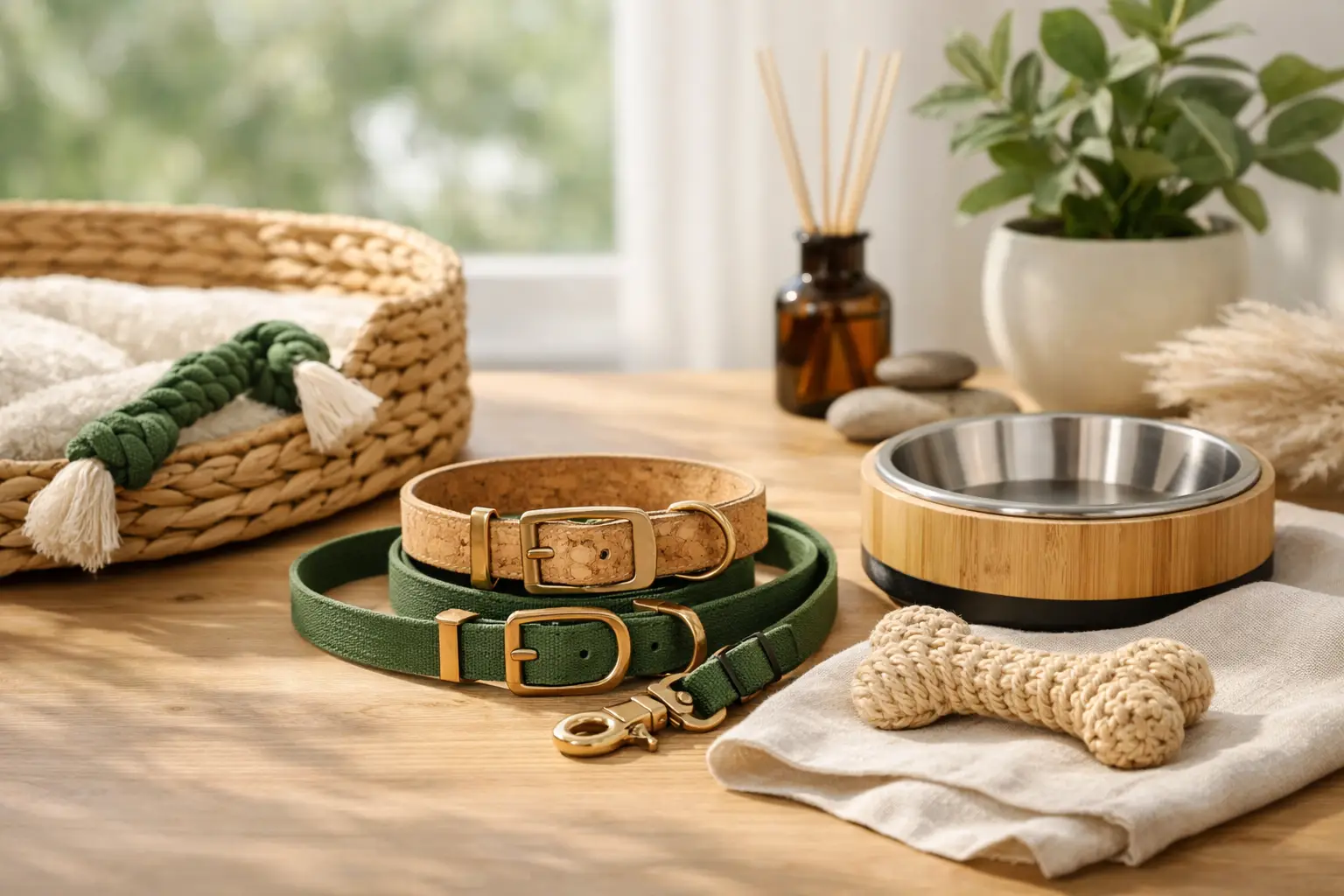
A frayed leash, a cracked bowl stand, a bed that loses its shape in a season - none of it feels luxurious, no matter how polished the packaging looked on arrival. The best eco friendly dog accessories solve a more interesting problem. They bring together design, durability, and a quieter kind of responsibility, so your dog’s essentials feel as considered as the rest of your home.
For discerning dog owners, sustainability is no longer a rustic aesthetic or a marketing afterthought. It is part of modern luxury. The materials matter. The finish matters. The way an accessory ages matters. And just as importantly, the piece should still feel beautiful in a Manhattan entryway, a Miami condo, or a sunlit Los Angeles living room.
What makes eco friendly dog accessories worth buying
An eco-conscious accessory earns its place long before it mentions recycled content on a tag. It should perform beautifully, hold up to daily use, and fit naturally into an elevated lifestyle. If it falls apart quickly, stains beyond repair, or looks overly utilitarian, it is not a better choice simply because it uses greener language.
That is the first trade-off to understand. Sustainability without longevity is rarely impressive. A leash made from reclaimed material may sound admirable, but if the hardware corrodes or the weave softens too quickly, you will replace it sooner than planned. True value comes from a longer life cycle, thoughtful craftsmanship, and materials that wear gracefully.
There is also a difference between accessories that are merely less harmful and those that feel genuinely refined. Premium eco friendly dog accessories tend to focus on fewer, better materials. Think recycled textiles with a tailored finish, vegetable-tanned leather alternatives with a structured hand feel, natural rubber toys designed with sculptural restraint, and organic cotton bedding that complements a carefully designed interior rather than competing with it.
The materials that define better eco friendly dog accessories
If you want a sharper eye for quality, start with materials. This is where sustainable claims become either credible or superficial.
Recycled fabrics with structure
Recycled polyester and nylon are now common in collars, harnesses, carriers, and travel mats. The question is not whether recycled content exists. The question is how it feels and performs. In premium accessories, recycled fabric should still feel dense, smooth, and substantial. It should resist fading, keep its shape, and hold color with confidence.
This matters especially for urban dog owners who expect everyday pieces to look polished after constant wear. A carrier or leash sees friction, weather, and repetition. If recycled fabric is done well, you get the advantage of lower resource use without sacrificing finish.
Natural fibers that soften well
Organic cotton, hemp, and linen blends often appear in beds, blankets, bandanas, and soft travel accessories. These materials have a certain ease that synthetic fabrics cannot replicate. They also suit homes where texture and palette are taken seriously.
Still, natural fibers come with nuance. They can wrinkle, absorb moisture more easily, and sometimes show wear faster than technical fabrics. That does not make them inferior. It simply means they are best chosen for the right purpose. A refined organic cotton throw for a lounge area is one thing. A heavily used outdoor setup may require a more resilient recycled performance textile.
Leather alternatives and responsible leather
Collars and leashes raise a more complicated question. Many luxury dog owners love the look of leather, and for good reason. It has character, depth, and presence. But sustainability in this category depends on sourcing, tanning methods, and lifespan.
Some eco-conscious buyers prefer plant-based or recycled leather alternatives. These can look sophisticated when the finish is matte, clean, and structured rather than overly glossy. Others still choose responsibly sourced leather because it can last for years with proper care. This is one of those areas where absolutes are rarely useful. The better choice often depends on whether the piece is made to endure, repair well, and age with elegance.
Non-toxic finishes and low-impact dyes
This detail gets less attention, but it should not. Dyes, coatings, and water-resistant finishes can shape both the visual quality and the environmental profile of an accessory. The most attractive pieces tend to avoid the harsh, plastic-like finish that often signals lower design standards anyway.
For a premium buyer, this is good news. Cleaner finishes often look better. They feel more tactile, more understated, and more aligned with contemporary luxury.
Which accessories deserve the closest scrutiny
Not every purchase requires the same level of evaluation. Some categories have a bigger footprint in daily life and a stronger effect on how your dog’s world looks and feels.
Collars, leashes, and harnesses
These are visible every day, which makes design non-negotiable. Look for strong stitching, elegant hardware, and materials that hold their line rather than collapsing over time. A sustainable leash should not read as worthy but dull. It should feel intentional in the hand and visually sharp against your dog’s coat.
This is also where hardware quality matters most. Recycled webbing means little if clasps feel flimsy or poorly weighted. Refined sustainability is always a full-system decision.
Beds and blankets
A dog bed occupies real visual space. In a well-designed home, that matters. Eco-conscious filling made from recycled fibers can be excellent, but shape retention is essential. The bed should remain generous and supportive, not flattened and tired after a few months.
Covers made from organic or recycled textiles also deserve attention. Removable, washable covers extend lifespan. So does a color palette that avoids trend fatigue. Neutrals, rich earth tones, and deep tailored shades usually endure longer than novelty prints.
Travel carriers and on-the-go pieces
For frequent travel, sustainability has to meet performance. Carriers, portable bowls, waste bag holders, and travel mats need to be lightweight, resilient, and easy to maintain. This is where recycled technical materials often outperform natural fibers.
The aesthetic should still feel elevated. Clean lines, discreet branding, and a well-edited silhouette keep a functional piece from looking temporary.
Toys and feeding accessories
Natural rubber, responsibly sourced wood accents, stainless steel, and food-safe silicone can all be strong choices. Here, restraint is often a good sign. Better products usually avoid gimmicky forms, excessive mixed materials, and bright finishes that feel disposable.
How to shop without falling for green gloss
Sustainable language has become very polished. That does not always mean the product behind it is. A premium buyer should expect specificity.
Look for clear material information, not vague phrases. Recycled what, exactly? Organic to what standard? Is the accessory designed for repair, washing, or refill? Does the brand speak about durability with the same confidence it brings to sustainability?
Visual cues help too. Well-made eco friendly dog accessories rarely look overdesigned. They tend to have cleaner silhouettes, more disciplined color stories, and higher quality tactile details. The product feels resolved. Nothing about it looks like a compromise.
It is also wise to consider how many accessories you actually need. A smaller, more intentional edit often has the strongest environmental impact and the most luxurious effect. One beautifully made harness, one exceptional bed, one travel setup that works everywhere - this approach feels more sophisticated than accumulation.
Why sustainability and luxury now belong together
The old assumption was that sustainable dog accessories had to look earthy, casual, or overtly practical. That has changed. Today, the most compelling pieces are designed for owners who care as much about silhouette and finish as they do about material origin.
That shift feels especially relevant in the American market, where dog ownership increasingly overlaps with fashion, interiors, wellness, and travel. People are not simply buying for utility. They are curating a lifestyle that includes their dog in a very visible way.
This is where brands with a stronger point of view stand apart. Doggo Paradiso, for example, approaches the dog category with the sensibility of a luxury house rather than a standard pet retailer. That perspective matters because it treats sustainability as part of a complete experience - design, quality, innovation, and daily pleasure working together.
Choosing pieces you will still love next year
The smartest sustainable purchase is rarely the one with the loudest claim. It is the one you reach for every day, admire in your home, and keep in rotation season after season. That means looking beyond buzzwords and buying with a sharper standard.
Choose accessories that feel substantial. Favor materials that age with dignity. Pay attention to finish, proportion, and repairability. If a piece makes your dog’s routine more beautiful while reducing waste through better design and longer use, it has already done something valuable.
Luxury is not excess. At its best, it is discernment. And eco friendly dog accessories make the strongest impression when they reflect exactly that.