
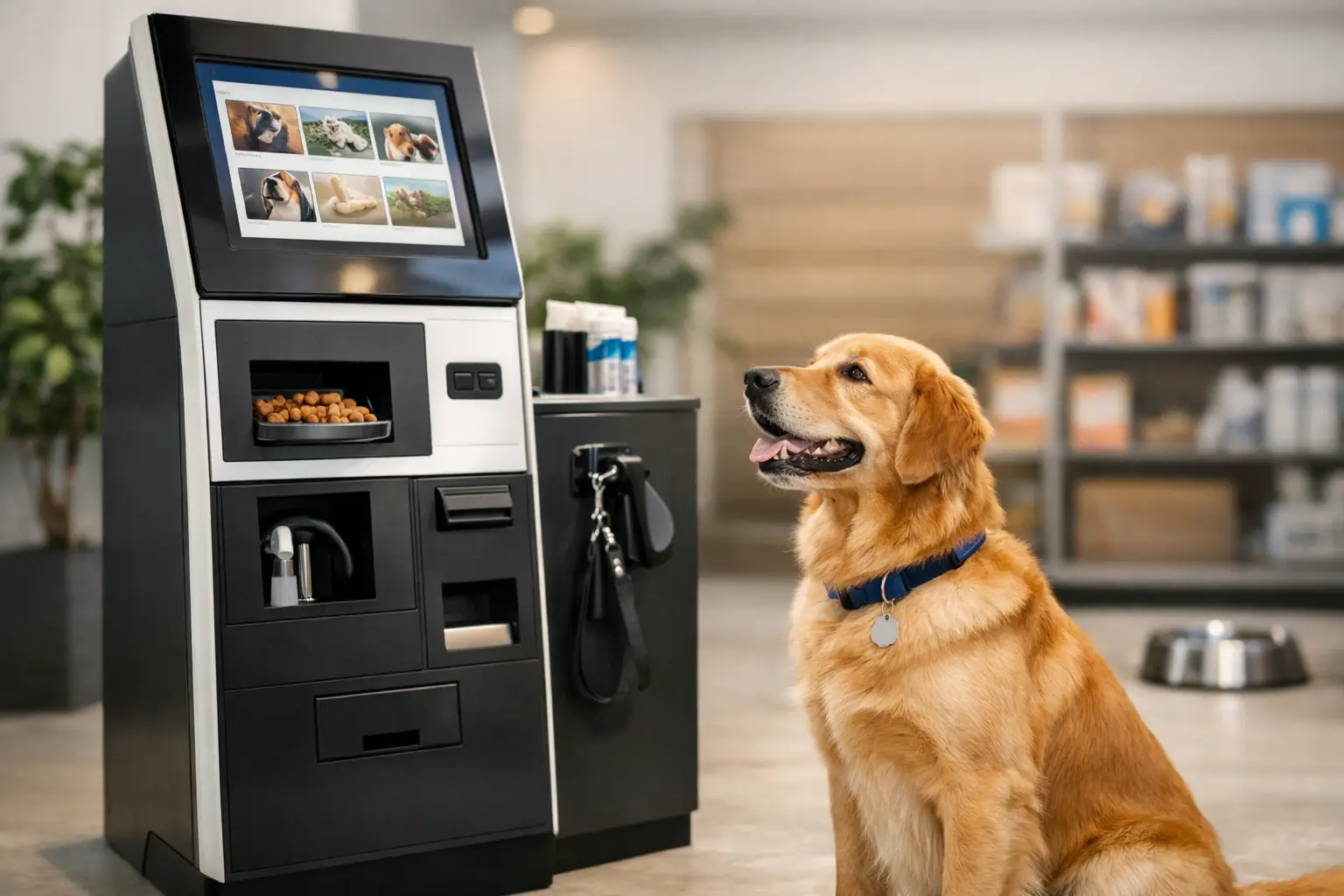
A muddy coat does not fit neatly into a dinner reservation, a weekend escape, or the considered rhythm of city life. Dog kiosks offer a more elegant answer: a dedicated self-service wash point that gives owners a practical place to care for their dog without turning the bathroom at home into a grooming room.
For design-led dog owners, the appeal is not simply convenience. It is the quality of the experience. The best installations feel intentional, clean, and easy to understand. For retailers, hospitality venues, and pet-focused businesses, they can also create a reason for customers to stay longer, return more often, and see a location as part of their dog’s lifestyle.
Why dog kiosks belong in premium pet spaces
A dog-wash kiosk sits at the intersection of utility and experience. It responds to a familiar moment: the walk that ends with wet paws, the beach day, the park visit after rain, or the need for a tidy coat before a social plan. Instead of asking owners to improvise, it offers a purpose-built setting for the task.
That distinction matters. Premium pet services are increasingly judged by the details around the core function. Is the wash area pleasant to enter? Does it look cared for? Can a first-time visitor understand how to use it without hesitation? Does it fit the atmosphere of the store, residence, or venue?
A kiosk should feel like an extension of the surrounding environment, not a piece of equipment placed in a corner. In a refined retail setting, this means thoughtful placement, strong visual integration, clear signage, and a maintenance standard that protects the entire brand experience.
For dog owners, a well-presented kiosk can make routine care feel less disruptive. It gives them a dedicated space outside the home while preserving the sense that their dog is included in an active, well-designed life.
What makes a dog wash kiosk worth using
The strongest dog kiosks make a simple service feel considered. That begins with the physical environment. Good lighting, a clean floor, adequate space around the unit, and intuitive instructions all influence whether an owner feels comfortable returning.
The wash process should be easy to follow. A customer should be able to identify the available settings, understand the payment process where applicable, and know what to do once the session is complete. If the equipment requires special preparation or leaves users uncertain about the next step, the experience loses its premium character quickly.
Cleanliness is equally visible. A beautiful kiosk that appears neglected undermines trust. Operators should have a clear routine for inspecting the area, removing hair, checking dispensers, reviewing drainage, and addressing wear before it becomes obvious to customers. The service is self-directed, but the standard behind it cannot be hands-off.
Safety deserves the same attention. Features, operating guidance, and suitability for different dogs should always be communicated according to the manufacturer’s verified documentation. Owners should never have to guess how to position their dog, which settings are appropriate, or where to seek help if a problem occurs. A polished experience is one that makes responsible use clear without making the customer feel managed.
The experience starts before the wash
A dog kiosk rarely succeeds on equipment alone. Its setting shapes the perceived value. Near a dog-friendly café, boutique, residential amenity area, car wash, boarding facility, or premium pet retailer, it can become part of a useful outing rather than a separate errand.
Placement should reflect how people actually move through the space. A kiosk located where customers can easily bring a dog in and out, pause with their belongings, and access clear directions will generally feel more inviting than one hidden behind operational clutter. Privacy can matter, too. Some owners prefer a wash area that is visible enough to feel safe but not so exposed that the task becomes a performance.
The surrounding details deserve editorial attention. Consider the wall finish, the sound level, the scent of the area, and the quality of the instructions. Even small decisions can distinguish a five-star amenity from a purely functional utility room.
For consumer-facing locations, staff knowledge also matters. Staff do not need to become groomers, but they should be able to explain the basics of access, housekeeping expectations, and where customers can find verified usage information. Confidence is part of hospitality.
What operators should evaluate before installing dog kiosks
For B2B buyers, the right question is not whether dog kiosks are attractive. It is whether a specific model and operating plan fit the location. The answer depends on foot traffic, customer behavior, available utilities, staffing, local requirements, and the level of experience the business wants to deliver.
Start with site readiness. Confirm the required water supply, drainage, electrical connection, ventilation needs, floor conditions, access route, and service clearance directly with the manufacturer or distributor. These details should never be assumed from a brochure or a photo. A beautifully designed kiosk still depends on correct installation and a workable maintenance plan.
Next, examine the ownership model and the support behind it. Ask what is included with installation, commissioning, training, warranty coverage, consumables, technical support, replacement parts, and ongoing service. Request current, verified specifications for wash-program duration, water use, energy requirements, cleaning procedures, and any safety components. These figures can differ by model, configuration, and market.
It is also wise to define who owns the daily operating standard. A kiosk needs a named person or team responsible for inspections, cleaning, replenishment, and escalation. In a hotel or residential building, that may sit with facilities. In a pet boutique, it may belong to store operations. In a multi-location business, centralized reporting and clear local accountability become especially valuable.
Finally, consider the commercial role of the unit. It may serve as a paid service, a member benefit, a hospitality amenity, or a traffic-building feature within a broader offer. Each approach creates different expectations around access, signage, staffing, and customer support. There is no universal model, and operators should be wary of generic return claims that ignore the realities of their site.
Design, technology, and trust must work together
A premium self-service wash concept earns loyalty when it removes friction without losing warmth. Technology can organize a process, but customers still judge the experience through tangible signals: the condition of the space, the clarity of the instructions, and the feeling that their dog is welcome there.
That is why the visual language around the kiosk matters as much as the unit itself. The best approach is consistent with the wider brand. A modern luxury pet concept may use restrained color, precise typography, and a calm environment. A lifestyle destination may pair the wash service with curated accessories, seasonal styling, or an event calendar for local dog owners. The purpose is not decoration for its own sake. It is to make care feel integrated into a distinctive lifestyle.
Doggo Paradiso approaches this category through that wider lens of pet lifestyle, where smart technology, design, and elevated everyday rituals meet. For operators and distributors considering the category, conversations at SuperZoo 2026, Booth 13-17, can be an opportunity to discuss verified kiosk specifications and partnership requirements in detail.
A better standard for an everyday need
Dog kiosks are most compelling when they respect both sides of the experience. Owners need a clean, understandable, well-maintained place to wash their dogs after real life happens. Operators need a solution that suits their space, can be supported responsibly, and reflects the standard their customers expect.
The most memorable installations do not make a routine task feel extravagant. They make it feel considered. That is often the difference between a useful amenity and a destination people choose to return to.